Blepharoplasty: How Eyelid Surgery Takes Years Off Your Face
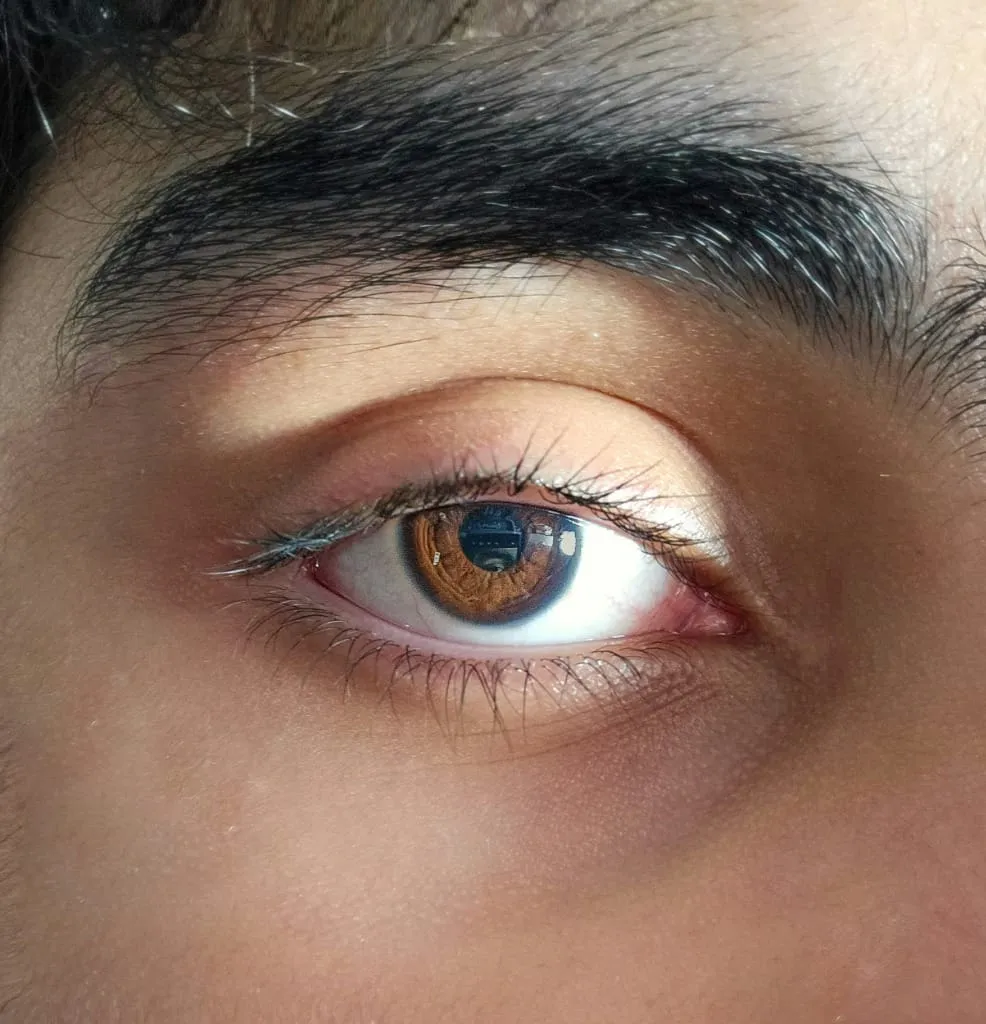
The Window to Your Youth
People constantly say you look "tired," even after a full eight hours of sleep. You notice that your eyeshadow doesn't sit the way it used to, or worse, heavy upper eyelids are actually obstructing your peripheral vision. Sound familiar?
The skin around our eyes is the thinnest on the body, making it the first place to show signs of aging, stress, and genetics. Blepharoplasty (eyelid surgery) is a highly effective, targeted procedure to rejuvenate your gaze. Explore all eye rejuvenation options.
Upper Blepharoplasty: Opening the Eyes
As we age, the skin of the upper eyelid loses elasticity and begins to drape downward (hooding).
Lower Blepharoplasty: Banishing the Bags
"Eye bags" are rarely caused by a lack of sleep; they are usually genetic or age-related protrusions of orbital fat pushing against weakening skin and muscle.
The Recovery
Blepharoplasty is often performed under local anesthesia with sedation and is an outpatient procedure. Recovery is relatively swift. While bruising and swelling peak in the first few days, most patients feel comfortable returning to work and socializing within 7 to 10 days. The incisions heal remarkably well, blending invisibly into the natural contours of the eye.
Have Questions?
Discuss your specific needs and expected outcomes with Dr. Sumit directly.
Request Consultation