Gynecomastia Surgery in India: Causes, Treatment, and Recovery
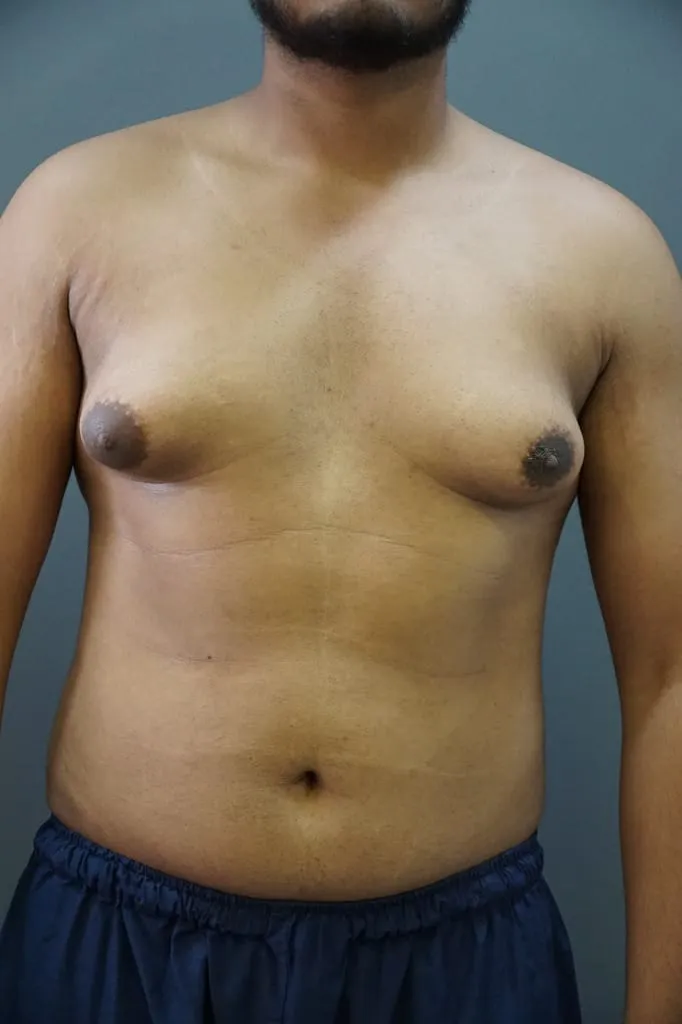
Restoring Confidence with Chest Contouring
Gynecomastia—the development of enlarged glandular breast tissue in males—is far more common than most realize, affecting up to 30% of men. Despite how common it is, it can cause significant psychological distress, leading men to avoid wearing fitted shirts, going to the beach, or participating in sports.
Fortunately, Gynecomastia surgery (male breast reduction) offers a permanent, highly effective solution.
What Causes Gynecomastia?
Gynecomastia is fundamentally caused by an imbalance between testosterone and estrogen hormones. This imbalance can trigger the growth of dense, fibrous breast gland tissue. Common triggers include:
The Surgical Treatment
Glandular breast tissue is dense and fibrous; it cannot be exercised or dieted away. Surgery is the only definitive treatment. Dr. Sumit utilizes a combination approach for the best aesthetic result:
1. High-Definition Liposuction: Used first to remove excess peripheral fat and expertly contour the surrounding chest wall, defining the pectoralis muscle edges.
2. Gland Excision: A tiny, incredibly discreet incision is made at the lower edge of the areola (the dark skin surrounding the nipple). Through this hidden incision, the dense glandular tissue is surgically extracted.
The Recovery Process
Male breast reduction is typically performed on an outpatient basis.
The results are immediate and, barring significant future steroid use or massive weight gain, they are permanent. See real outcomes in our results gallery.
Have Questions?
Discuss your specific needs and expected outcomes with Dr. Sumit directly.
Request Consultation