How do you spot a before-and-after that's lying?
Four things to check, none of them the result
Before-and-after photographs are the main evidence patients use to choose a surgeon, and they are among the easiest things in medicine to make misleading - often without any deliberate dishonesty.
You do not need clinical training to audit them. You need to check four things, and none of them is the outcome itself.
1. Did the light move?
Overhead lighting in the before, soft frontal lighting in the after.
Shadow alone can add or erase a fold. The same face, photographed on the same day under two lighting setups, will show a different jawline, different nasolabial folds, different under-eye hollows.
What to look for: the direction and hardness of shadows under the nose, the chin and the brow. If they differ between the two images, the lighting changed, and you cannot compare the results.
2. Did the camera distance change?
This one is the most powerful and the least known.
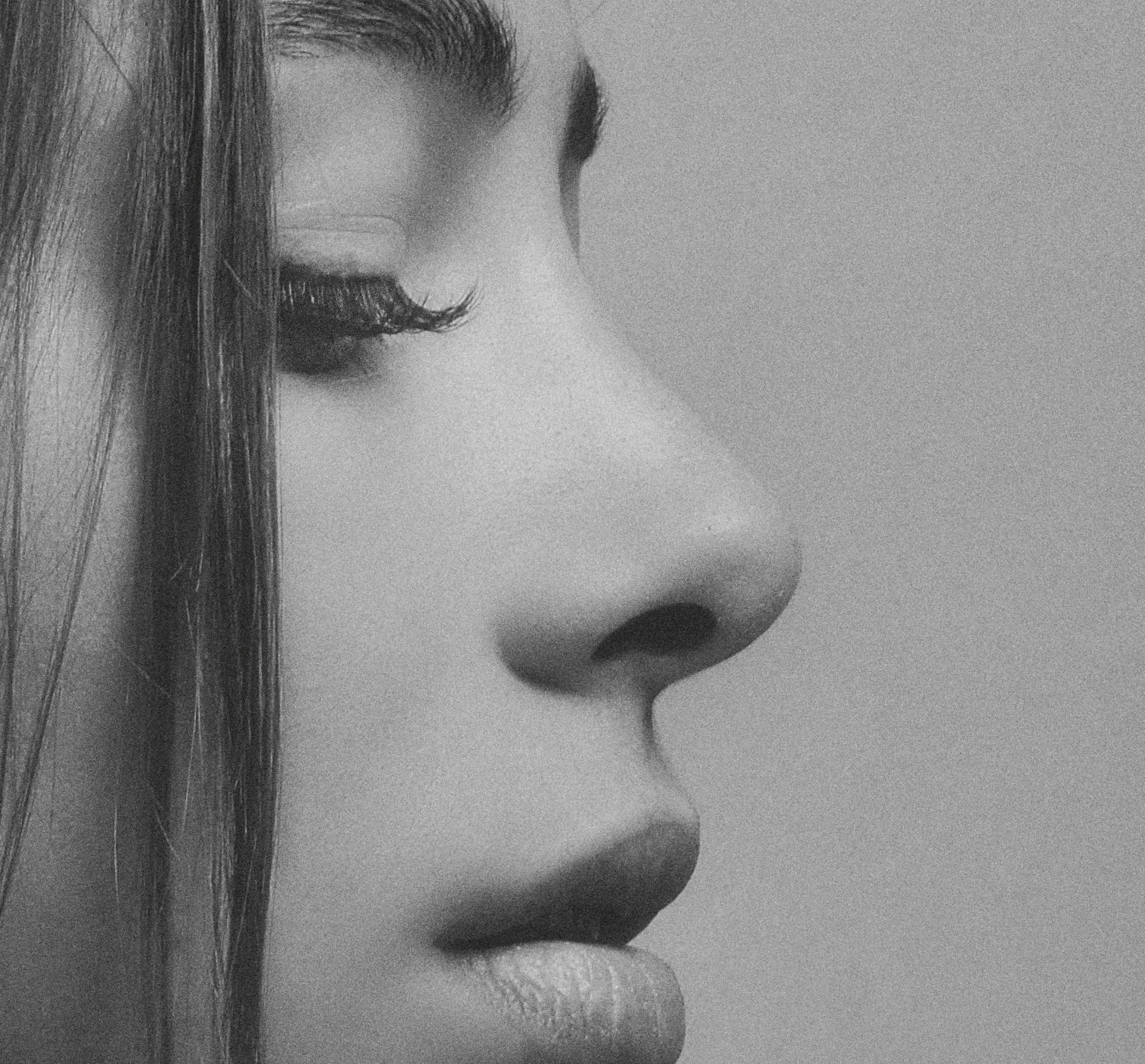
A camera moved closer widens the nose and narrows the face. Photographing the same person from two distances can manufacture something that looks like a rhinoplasty result without anyone touching the patient.
The effect is substantial: at close range the nasal base projects markedly wider than it does from a normal portrait distance. Close range also pulls the ears out of frame, which makes the face read narrower.
What to look for: are the ears visible in both images? Does the head occupy the same proportion of the frame?
If you are evaluating a rhinoplasty result specifically, this is the check that matters most.
3. Did the posture change?
Chin lifted, shoulders back, jaw pushed slightly forward. Every one of those tightens a neckline.
Look at the ears and the hairline. If their position relative to the frame shifted, the head moved - and a changed neck contour may be posture rather than surgery.
This is the one that most often happens innocently. Patients stand differently when they are pleased.
4. Is it one pair, or twenty?
Any surgeon has a best case.
One spectacular pair is the least informative thing you can be shown, because it tells you about the ceiling rather than the average. Consistency across many cases is the honest signal - including cases with modest results.
A gallery of twenty ordinary-looking good results is a stronger claim than one transformation.
The standard, stated plainly
Same light, same lens, same distance, same posture, same background. Or it proves nothing.
This applies to every gallery, including ours. If you are looking at results on this site or anywhere else, hold them to it - and ask to see more than the highlights at consultation.
There is a reason to say this out loud rather than quietly maintain good practice: a standard stated in public is one the person stating it can be held to.
Same light, same lens, same distance, same posture. Or it proves nothing.
Have Questions?
Discuss your specific needs and expected outcomes with Dr. Sumit directly.
Request Consultation