The Rise of 'Prejuvenation': Why People in their 20s and 30s are Getting Botox
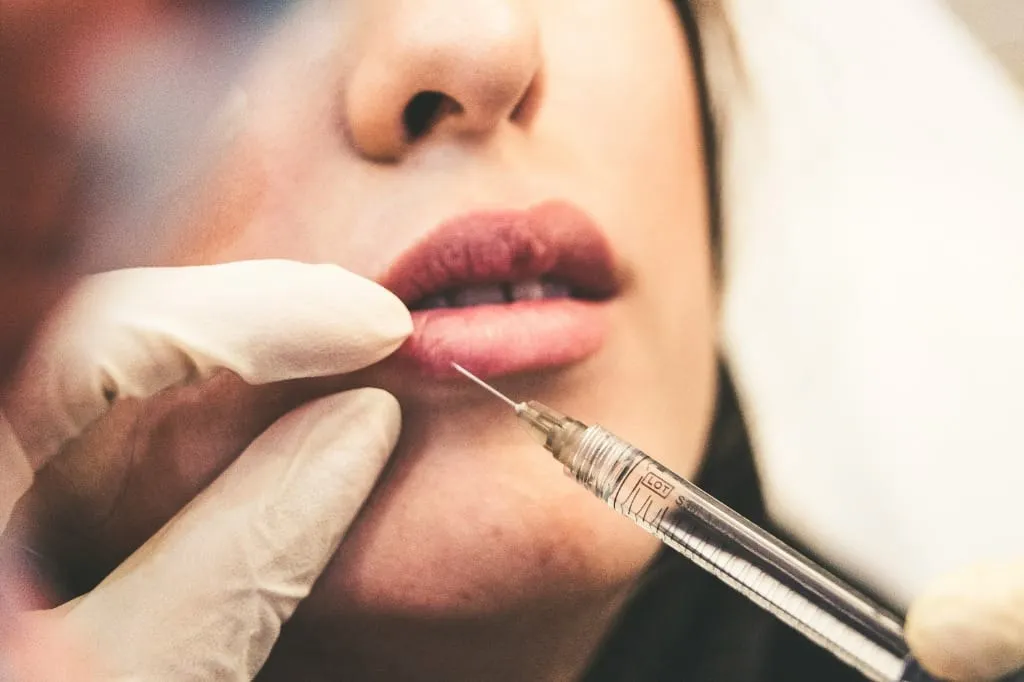
Stopping Time Before it Starts
Ten years ago, the typical Botox patient was in their 40s or 50s, coming into the clinic to erase deep, etched lines that had accumulated over a lifetime. Today, the demographic has shifted drastically. A massive influx of patients in their mid-20s and 30s are requesting "Baby Botox."
This trend isn't about looking plastic; it's a paradigm shift known as Prejuvenation.
What is Prejuvenation?
Prejuvenation is the philosophy of preventing the visible signs of aging before they become permanently etched onto the face, rather than trying to surgically correct them decades later.
How Preventative Botox Works
To understand preventative Botox, you must understand how a wrinkle forms:
1. Dynamic Stage: When you smile, squint, or frown, the underlying muscle folds the skin. The wrinkle only exists when the muscle is active.
2. Static Stage: Over years of repetitive folding (like a piece of paper folded thousands of times), the skin eventually loses its collagen and breaks down. The wrinkle becomes "static"—it is etched into the skin even when your face is completely at rest.
Preventative Botox is administered in very small, subtle doses ("Baby Botox") during the Dynamic stage. By gently relaxing the hyperactive muscles (commonly the frown lines and forehead), the skin is never forcefully folded.
*If the skin doesn't fold, the static wrinkle cannot form.*
The Benefits of Starting Early
If you are starting to notice makeup settling into a faint line on your forehead by the end of the day, that line is entering the static phase. That is the ideal time to explore prejuvenation.
Have Questions?
Discuss your specific needs and expected outcomes with Dr. Sumit directly.
Request Consultation