Fat Grafting in Chandigarh
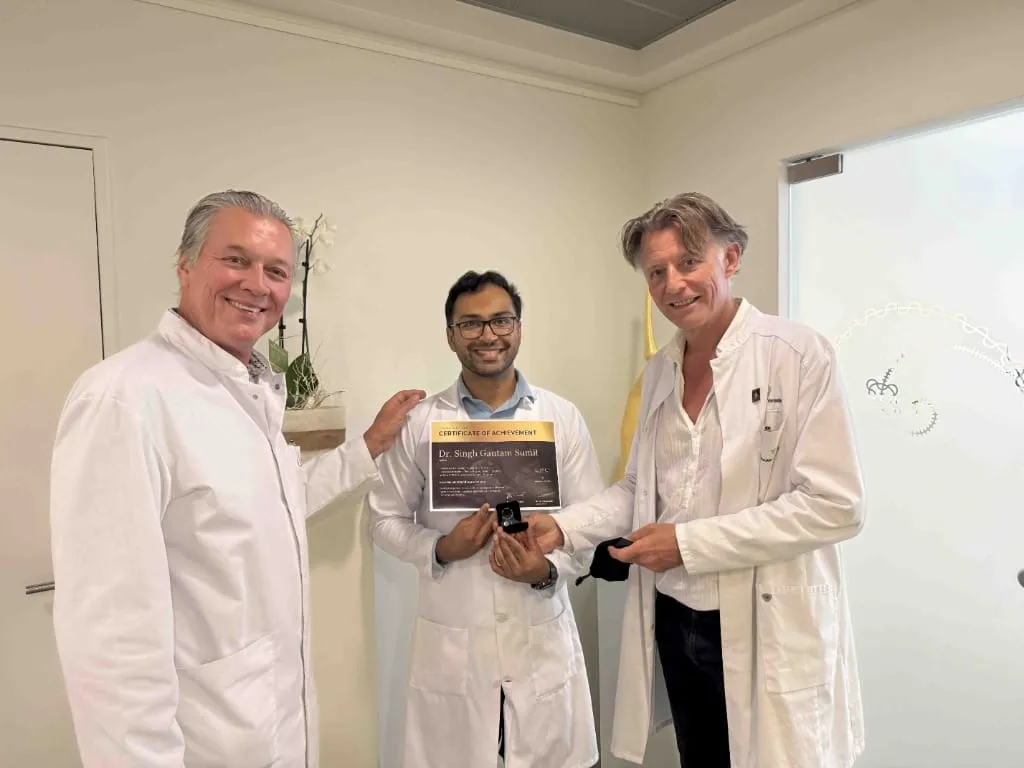
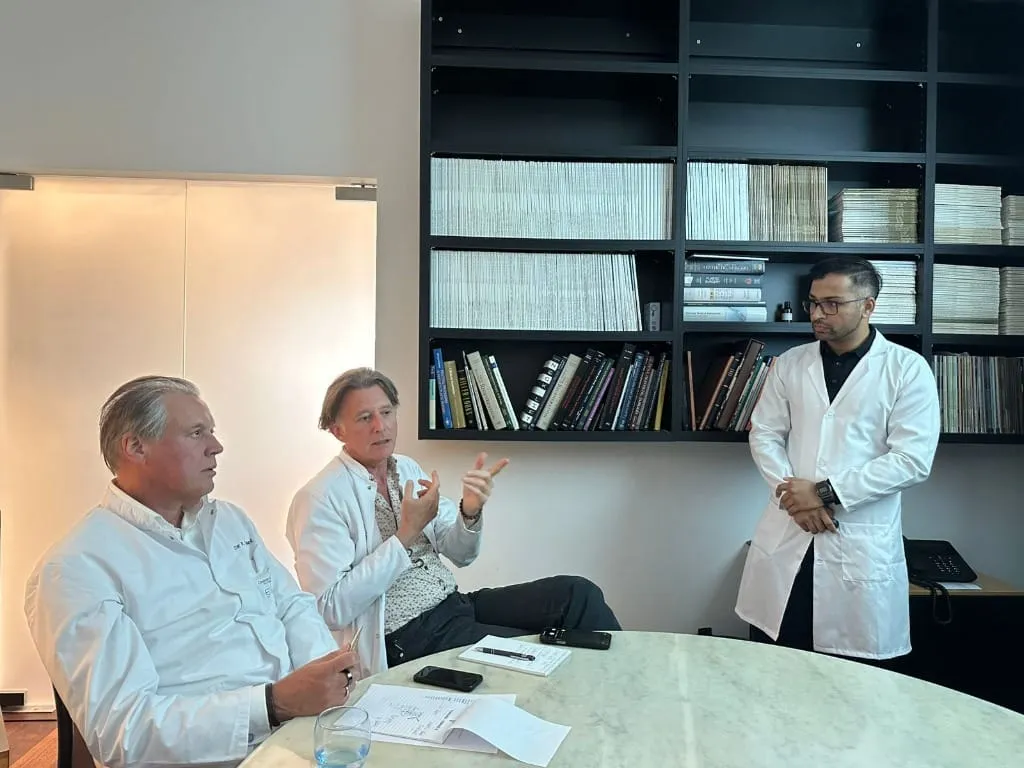
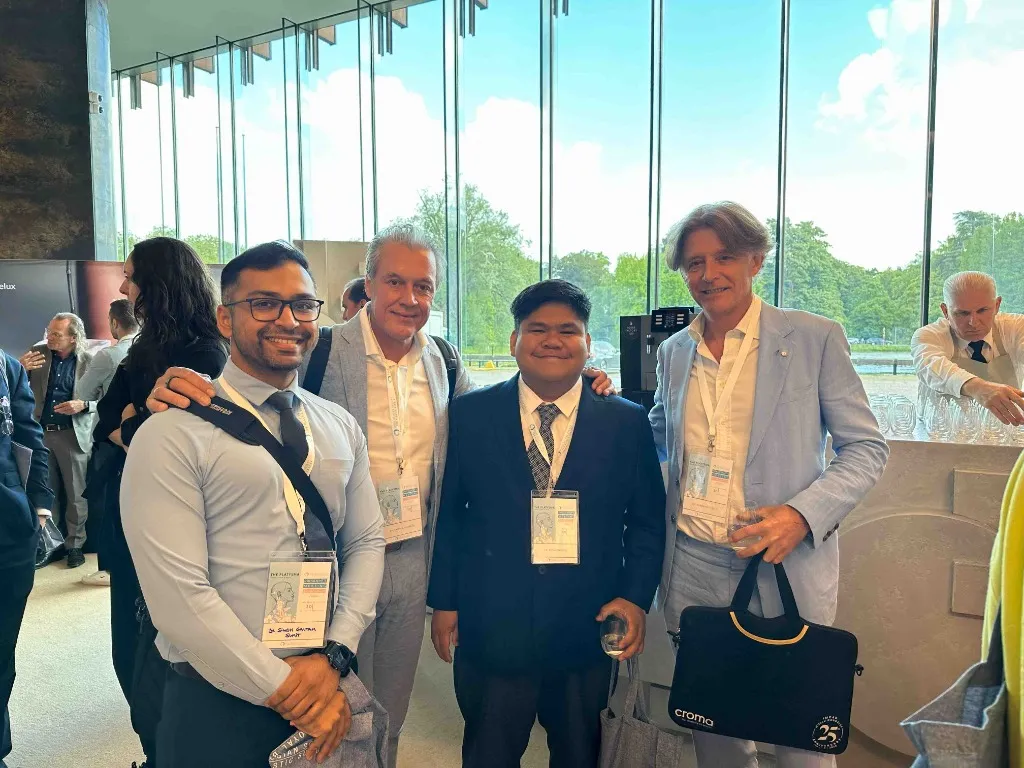
Fat grafting is a technique-dependent operation. How the fat is harvested, how it is processed, and the size of each parcel placed decide whether it survives. Dr. Sumit trained in microfat and nanofat grafting in Ghent under Dr. Patrick Tonnard and Dr. Alexis Verpaele, the surgeons who developed both techniques.
Microfat & Nanofat Grafting in Chandigarh
Trained under the surgeons who originated the technique
Fat grafting is not a single operation performed to a single standard. Outcomes turn on technique - specifically on how large each transferred fat parcel is, because that decides whether it can establish a blood supply before it dies.
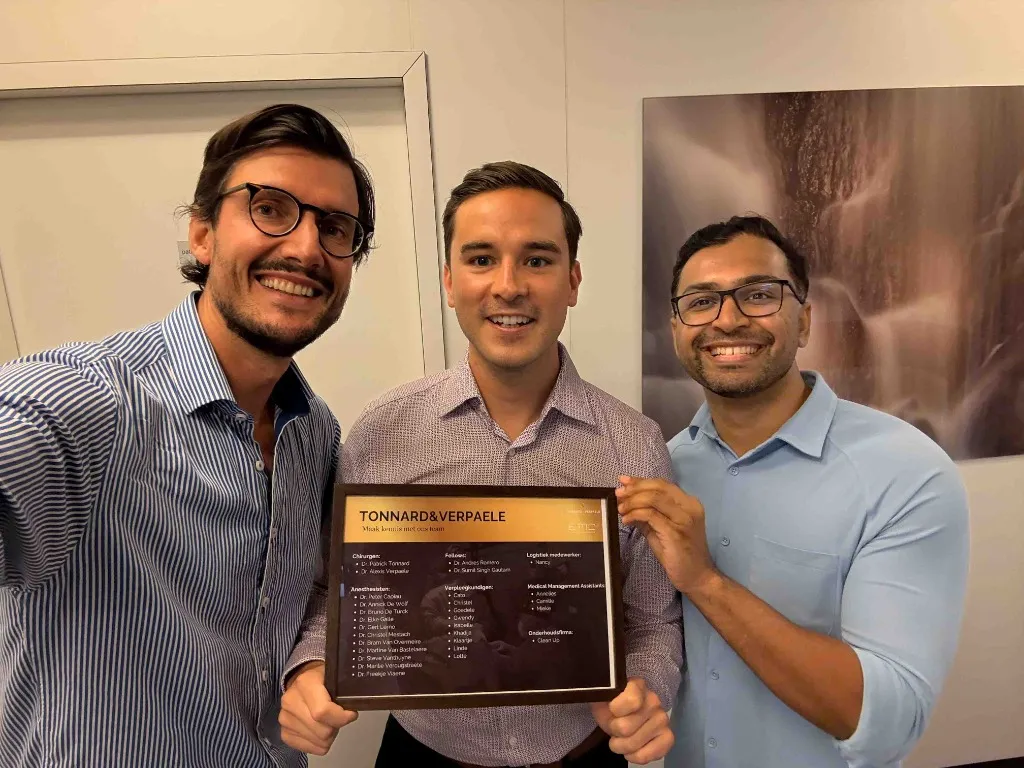
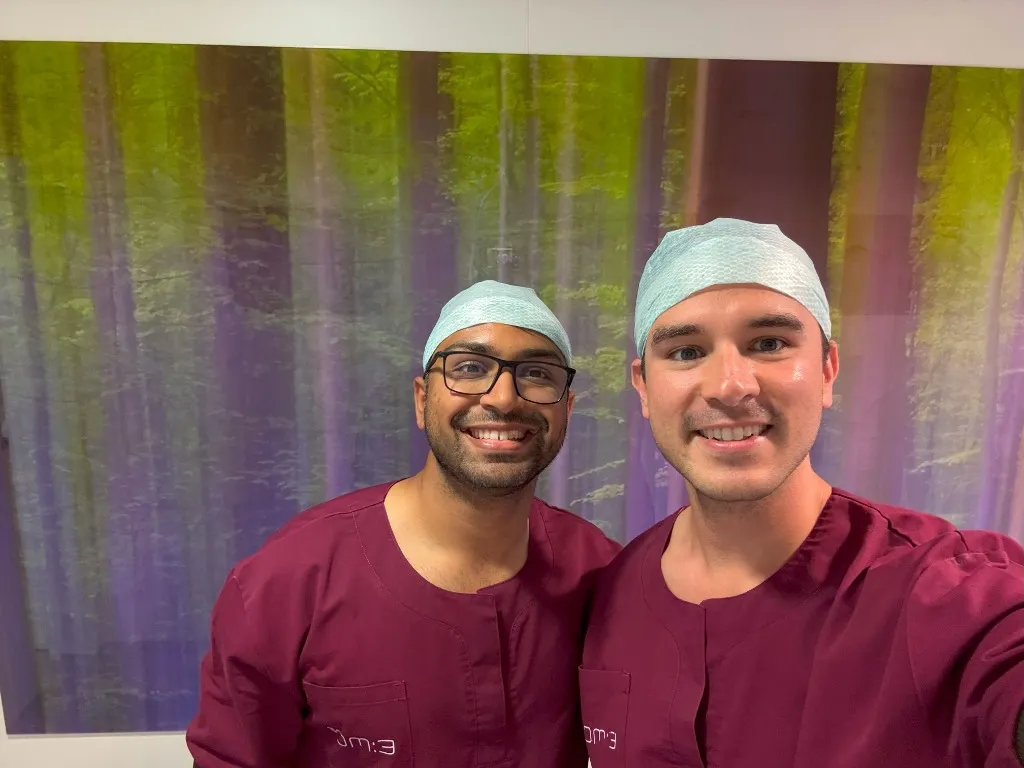
Dr. Sumit completed his Fellowship in Aesthetic Surgery in Ghent, Belgium under Dr. Patrick Tonnard and Dr. Alexis Verpaele, who developed microfat and nanofat grafting. The techniques are used worldwide; he learned them at their origin.
Why parcel size decides survival - in the face
Older bulk-transfer methods moved large parcels of fat. The centre of a large parcel sits too far from surrounding tissue for new blood vessels to reach it in time, so a substantial share never survives - historically around 70%.
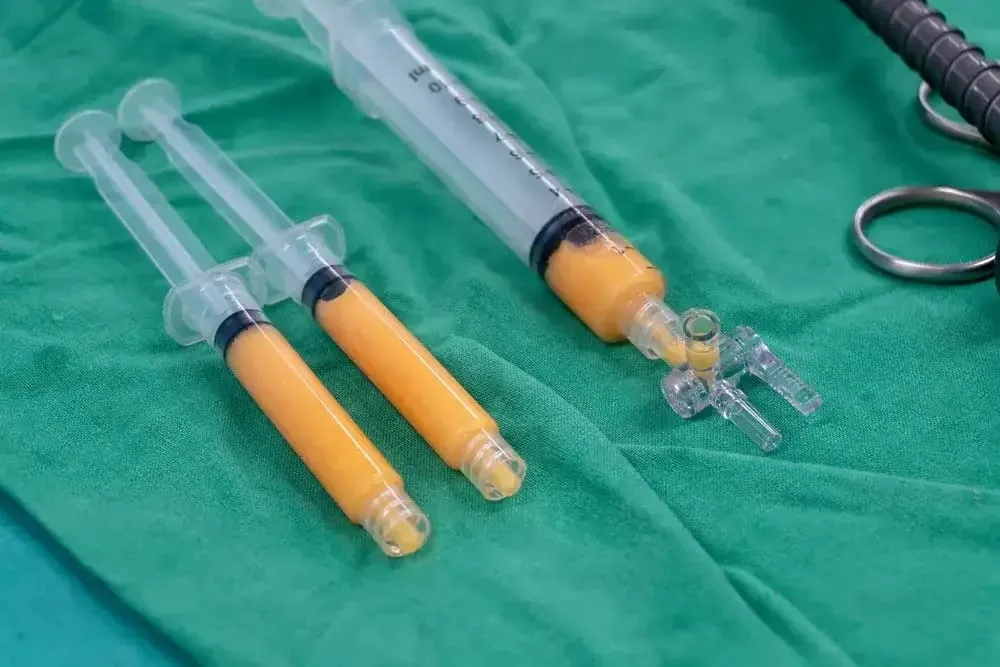
Microfat is harvested and injected in far smaller parcels, each thin enough to draw a blood supply immediately. Viability rises accordingly. The consistency is almost fluid, but it remains viable living tissue rather than processed filler.
Microfat and nanofat are different tools
Fillers add volume. Nanofat renews the tissue. They are not substitutes for one another, and a patient with significant volume loss is not well served by nanofat alone.
Nanofat with microneedling
Delivered through micro-channels created by microneedling, nanofat reaches the dermis directly. Skin brightens and texture softens over the first month, fine lines and scars improve by weeks six to eight, and collagen continues building through months three to six. A typical course is one to two sessions spaced a few months apart.
Longevity
Once a graft has integrated and established its own blood supply, it behaves as your own living tissue - because it is. It ages naturally alongside the rest of your face, rather than dissolving on a synthetic filler's twelve-month schedule.
Body volumes are a different question
The viability advantage of microfat is established for the face. For larger-volume grafting to the buttock, microfat has not been shown to carry a proven advantage - the volumes involved are different in kind, and the evidence does not transfer automatically.
The same viability principles should still favour better survival, but that is a reasonable expectation rather than a demonstrated one. Around 70% graft survival at one year remains the honest figure to plan around for body volumes, and Dr. Sumit will quote you that rather than a facial number.
Fat grafting, tailored to the face and body
Fat grafting is not a single, uniform procedure. Different areas of the body require different approaches — depending on whether the goal is volume, contour, skin quality, or fine detail. Using the right technique for the right area is essential for natural, predictable results.
Approach: Matching technique to tissue
Facial Fat Grafting
Requires a higher degree of refinement, as the tissues are delicate and changes are immediately visible.
Microfat (Face)
Used for structural volume in cheeks, temples, or under-eye region.
Nanofat
For skin quality, texture, and fine lines in eyelids or perioral region.
SNIF
Sharp Needle Intradermal placement for precise dermal refinement.
Body Fat Grafting
Focuses primarily on volume restoration and contour enhancement, where durability and integration are key.
Microfat (Body)
Stable fat transfer suited to thicker tissues like breasts and buttocks.
Technique choice depends on your anatomy and skin quality, determined during consultation.
Fellowship in Ghent, Belgium
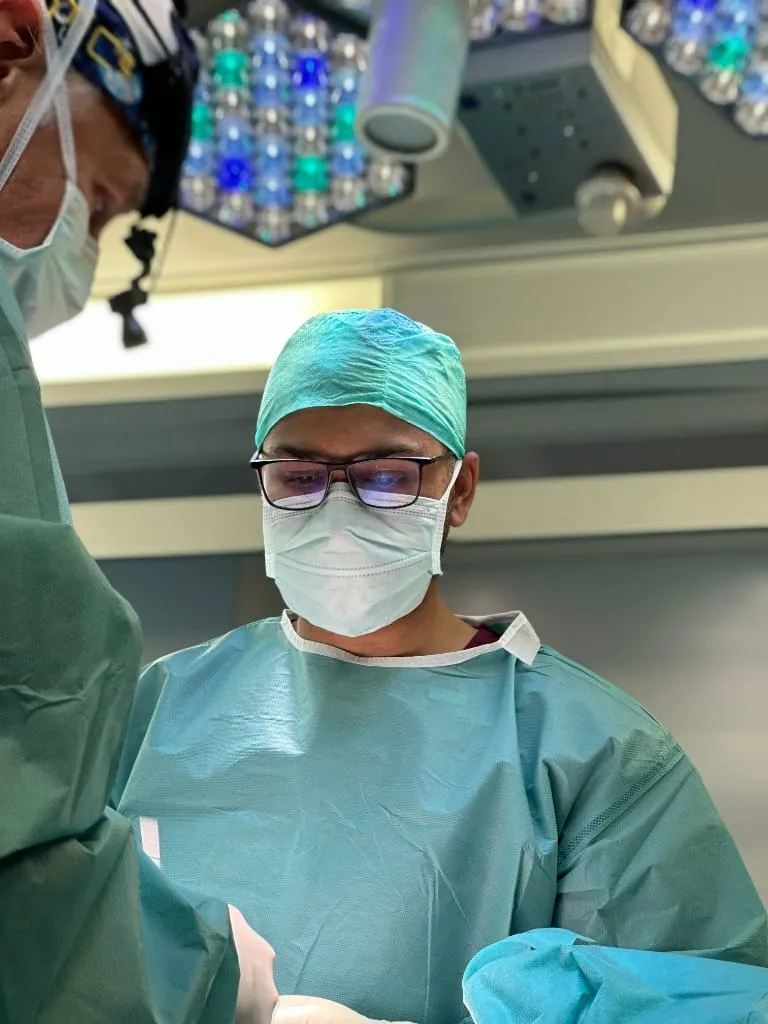
Dr. Sumit completed his Fellowship in Aesthetic Surgery under Dr. Patrick Tonnard and Dr. Alexis Verpaele - the surgeons who developed microfat and nanofat grafting, and the MACS lift, techniques now practised worldwide. The distinction matters here: fat grafting outcomes turn almost entirely on harvesting and processing technique, which is learned at the bench and in theatre rather than from a paper.
Frequently Asked Questions
People Also Ask
Related Procedures
Treatments often considered alongside Fat Grafting:

Procedural Brief
Surgical results are contingent upon individual anatomical dynamics. A comprehensive pre-operative examination is required to finalize operative strategies.
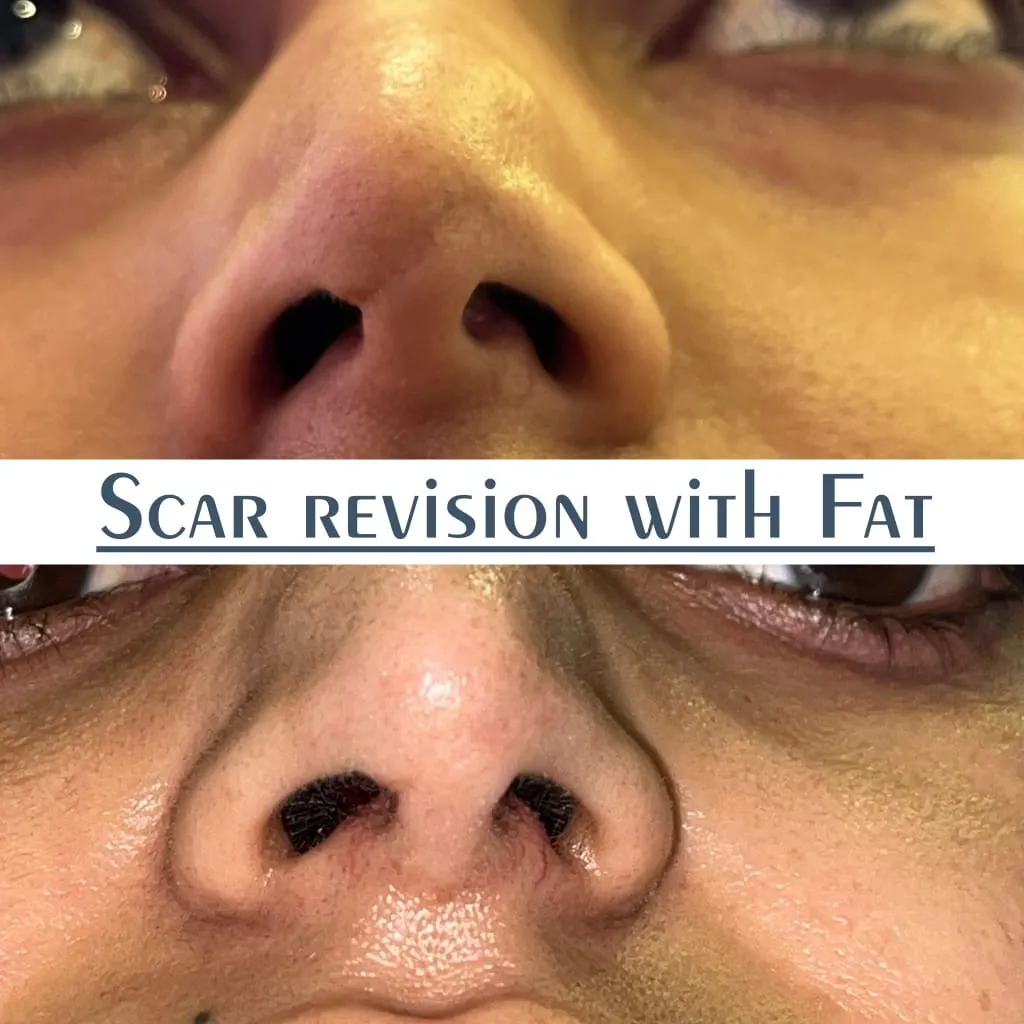
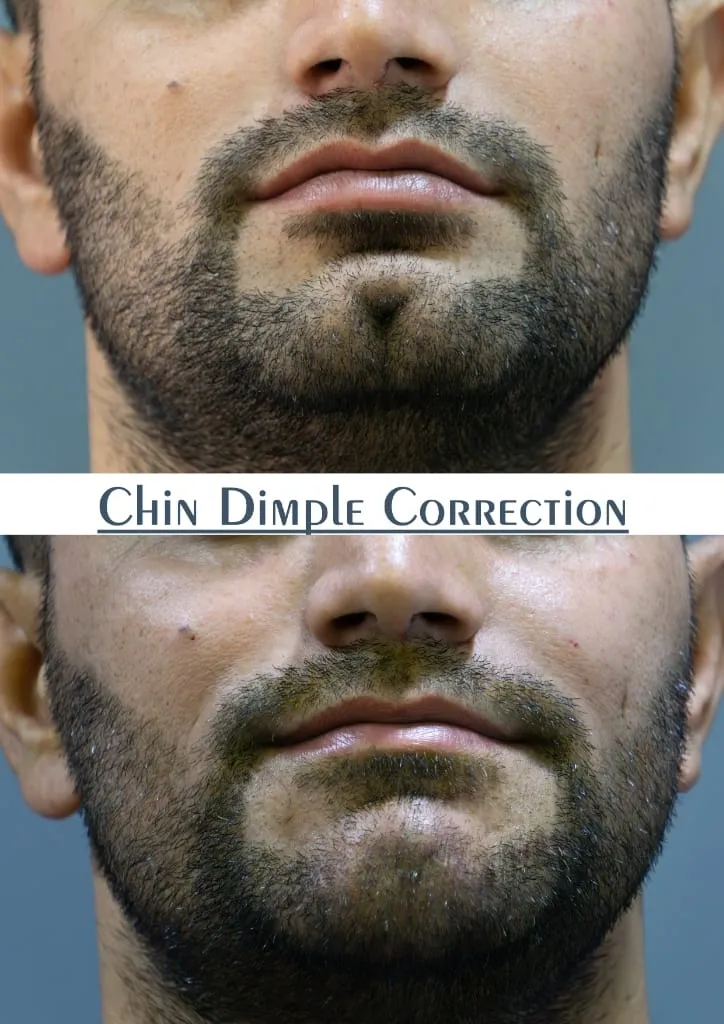
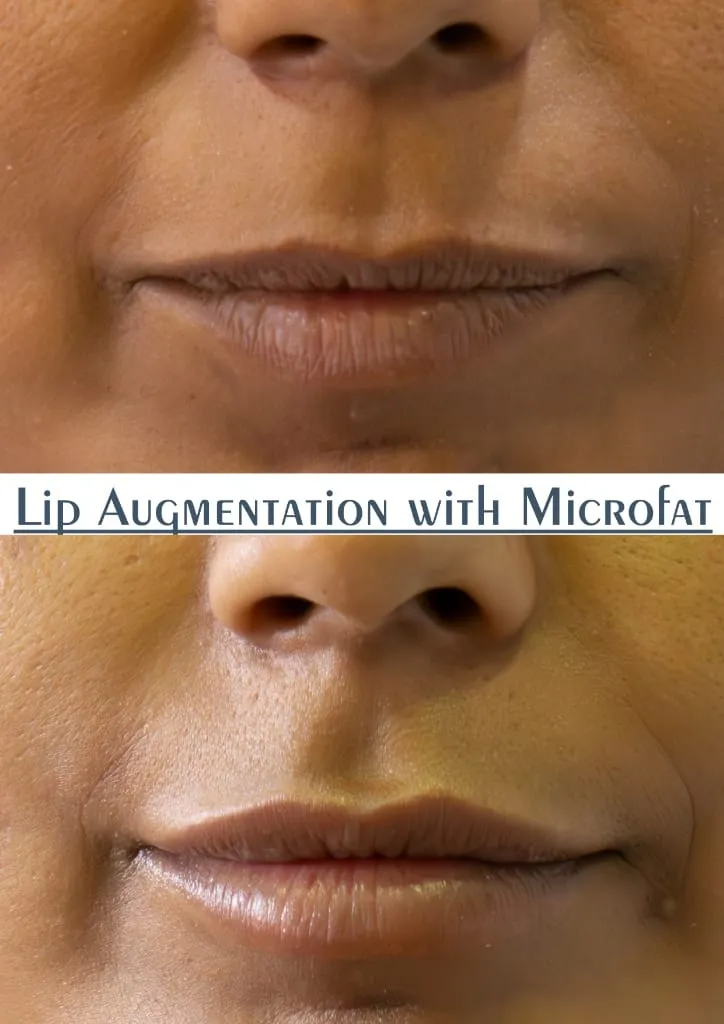
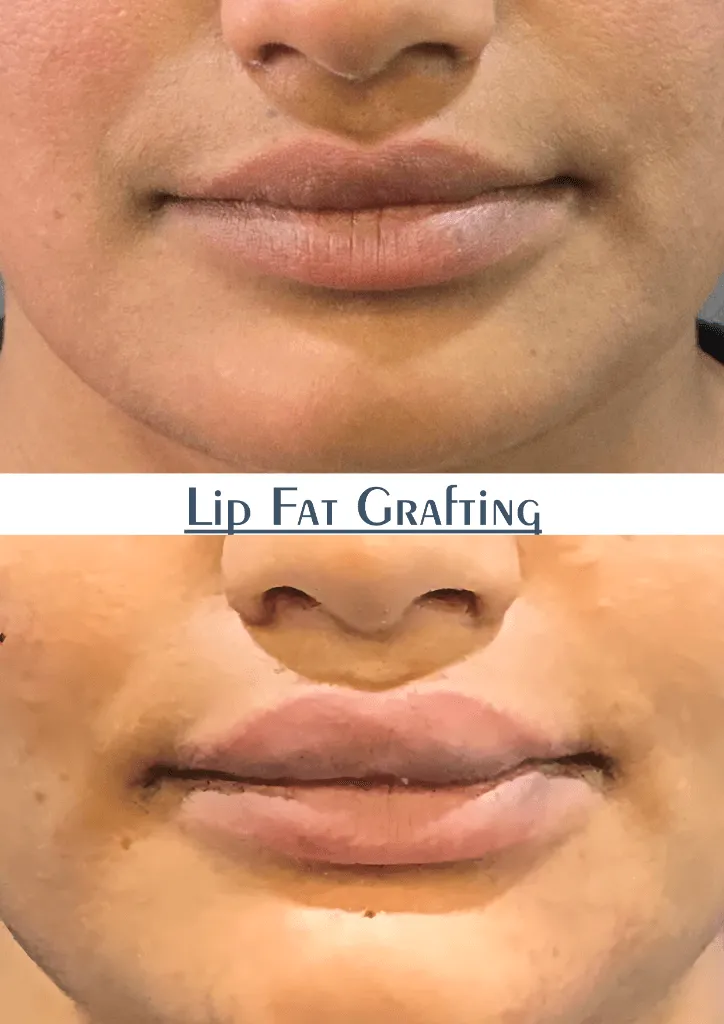
* Note: To preserve patient dignity and ensure the highest clinical standards, specific anatomical outcome data is restricted to secure, in-person clinical review. The imagery provided is illustrative of the surgical mastery and expected anatomical response.